NE Illinois and SE Wisconsin Real Estate
Find your home. Start here.
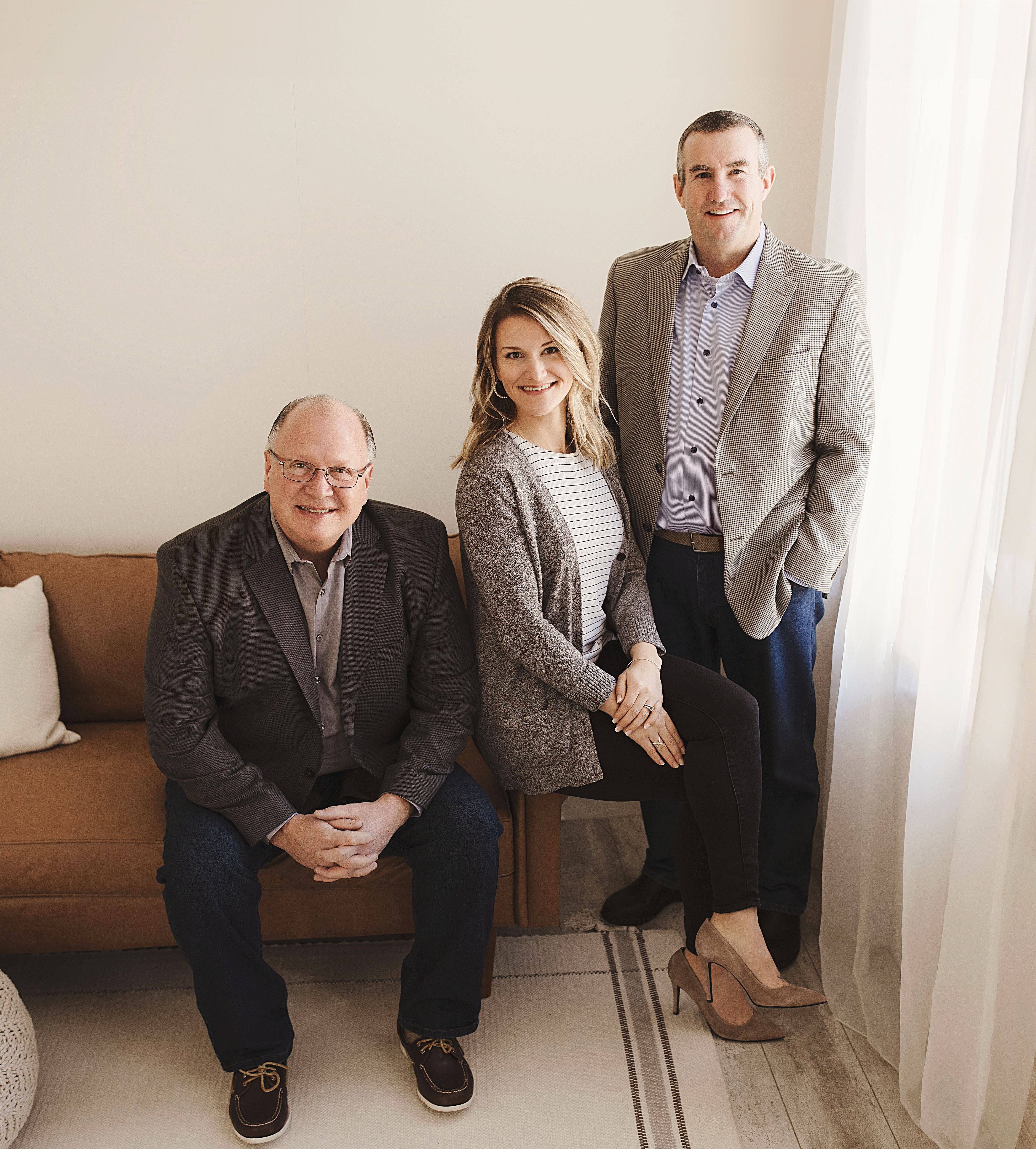
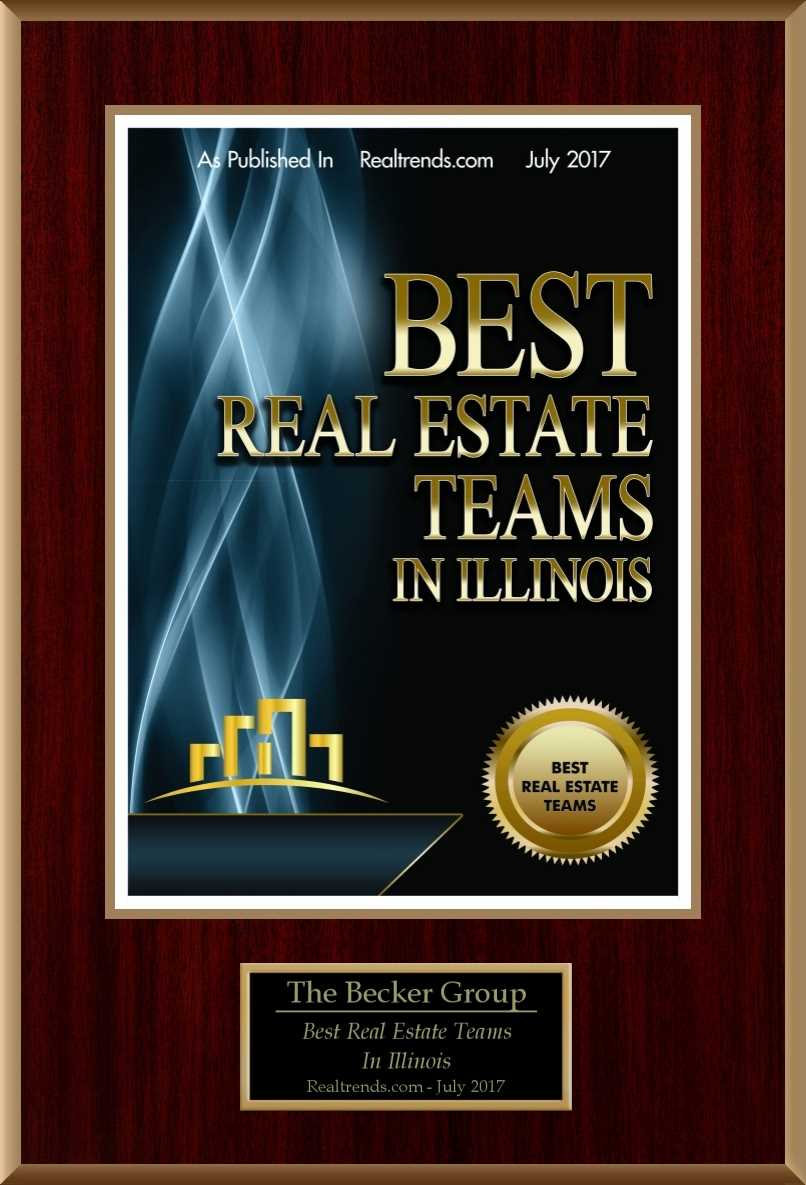
The Becker Group
Every member of our team works in real estate out of a genuine desire to help people. As you navigate the home buying or selling process, we're there every step of the way to answer your questions and help you achieve the most profitable outcome possible.
- Board-Certified Agents
- Familiar with Local Neighborhoods
- Knowledgeable on All Aspects of the Real Estate Process
- Caring and Compassionate
Call us today and get the help you need to find your dream home!
With such a competitive market, why trust your home to just any agent? We have a 97% success rate at getting our homes SOLD and get our sellers 97%-101% of their list price. Many of our homes sell in LESS than 30 Days!
make your PCS move again, we will sell your home FREE of charge as well.
*some conditions/restrictions may apply, please call for details!

.png)
Our Portfolio
Fast-Access Home Collections & Market Pricing Reports
Personally-selected and performed by our team of local area experts, these featured properties and market summaries are the easiest way to prepare for your next home search
Home Deals In NE Illinois and SE Wisconsin
Including Bank Foreclosures, Power of Sales and Distress Sales ...
How Much Is Your NE Illinois and SE Wisconsin Home Worth?
Free Online Assessment to Help You Price Your Home Right ...
Get instant updates on thousands of properties like these in three easy steps.
1
Create Your Free Account
Get unlimited updates.
2
Save Your Favorite Listings
Save searches and favorite listings.
3
Get Updates
Instant notifications via email or text.
It takes less than 1 Minute
or
Contact Us
Get in Touch
RE/MAX Advantage Realty
P.O. Box 861, Antioch IL 60002
847-489-1047